Indian Waterways at MM 89: Why a $200 Key Reprices Every Interior Lot on Plantation Key
Most Upper Keys buyers arrive at Indian Waterways with a portal-shaped question. What does a house here cost, and how does it compare to Plantation Key Colony a few blocks north or Venetian Shores across Snake Creek. The median tells them almost nothing useful, because the number that actually sets the ladder inside this neighborhood is not a sale price. It is the annual renewal fee on a boat ramp key, and the sentence in the community rules that says you cannot leave a boat at the ramp overnight.
That single rule is the mechanism. It quietly decides how much a dry lot is worth relative to a canal-front lot, why bayfront estates sit at a different tier entirely, and how a buyer should read the 2026 numbers coming out of Islamorada.
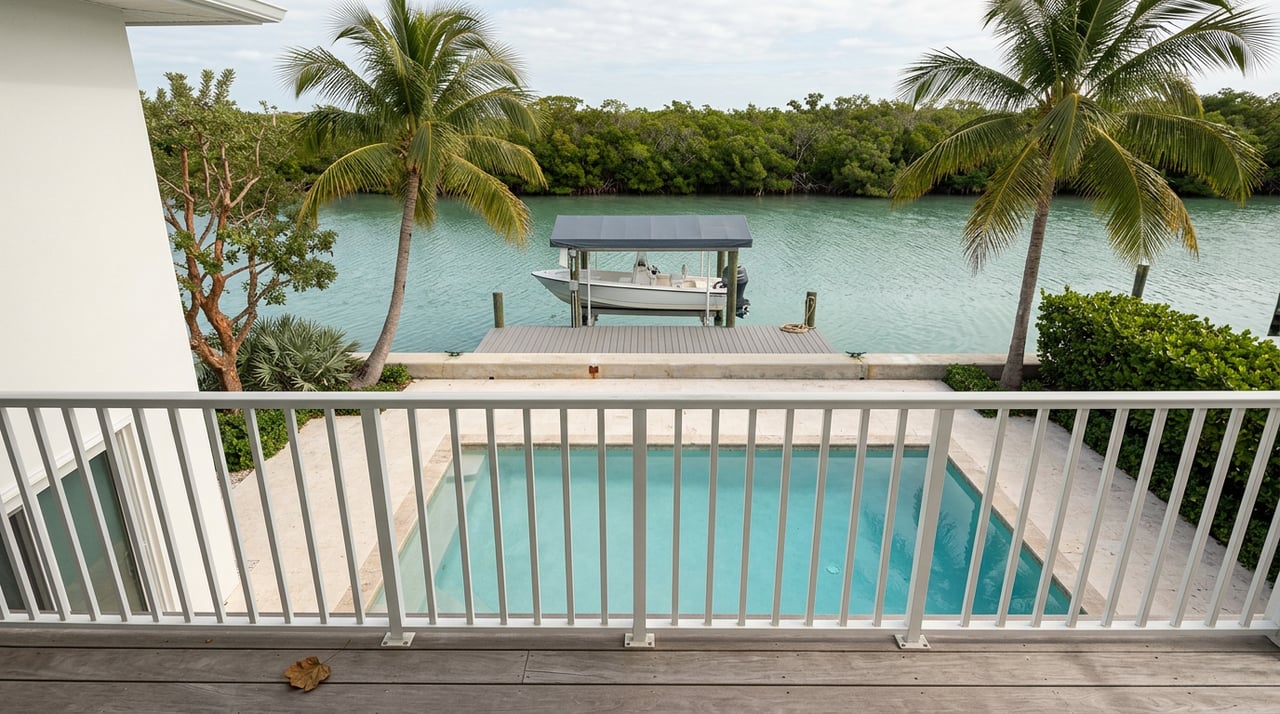
Indian Waterways sits near mile marker 89 on the bay side of Plantation Key, sharing a gated community park with the adjacent Indian Harbor subdivision. The park is the amenity that makes an interior lot in this neighborhood meaningfully different from an interior lot two blocks away in another Plantation Key subdivision. It includes a boat ramp with truck and trailer parking, a fishing pier, and a dock, all accessible by keycard through walk-in or vehicle gates.
The Indian Harbor Indian Waterways Property Owner's Association is voluntary, and the fee schedule is small enough that most buyers underweight it in underwriting. A new boat ramp key runs $200, annual renewal is $175, a replacement card is $50, and a walking gate key is $50. Renewals are due each March, with a $25 late fee after April 15. Only current homeowners in good standing may pick up a key, and renters have to obtain one from their homeowner.
Here is where a buyer needs to read carefully. The community park is not a private dock. Community rules cap dock use at 60 minutes and prohibit both overnight boat docking and overnight trailer parking. That constraint is the reason the "shared amenity" argument only carries so far. A dry-lot owner can trailer, launch, and fish out of the community park all season. They cannot keep a boat in the water there.
That is the ceiling on how much a dry lot inside Indian Waterways can compress the canal-front premium, and the floor under how much a canal-front lot with private dockage can command.
The other detail portal listings blur is what a boat can actually do from an Indian Waterways slip. The neighborhood is bayside, sitting on a main free-flowing canal that empties into the Bay of America. Ocean access is roughly a one-mile run to Tavernier Cut, the pass that lets a boat through to the Atlantic without waiting on the Snake Creek bridge that governs Venetian Shores traffic to the south.
For a buyer weighing Indian Waterways against Venetian Shores, that difference is not cosmetic. Venetian Shores is prized precisely because Snake Creek gives it near-instant bay and ocean access, but it is a drawbridge community, and larger vessels are height-constrained on the bridge schedule. Indian Waterways trades a slightly longer run for a fixed-bridge route through Tavernier Creek and no wait. Which one is better depends entirely on the boat and how the owner uses it, and that is a conversation a buyer should have before they anchor on price per square foot.
Read the listing history in Indian Waterways and Plantation Key more broadly and three tiers emerge that a single median flattens.
| Position | What the buyer is paying for | What the ramp key does to the math |
|---|---|---|
| Interior / dry lot | Neighborhood address, walkable park, launch-and-return boating, quiet street | Meaningfully lifts utility, but cannot substitute for wet storage |
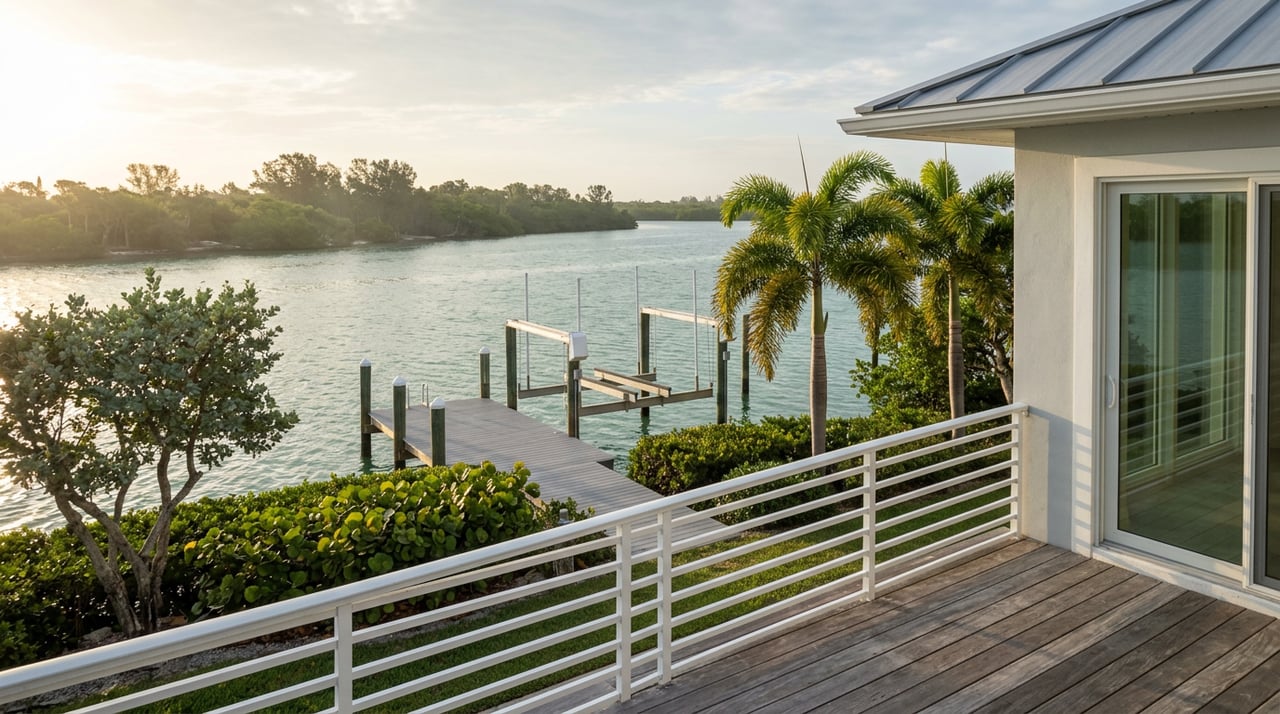
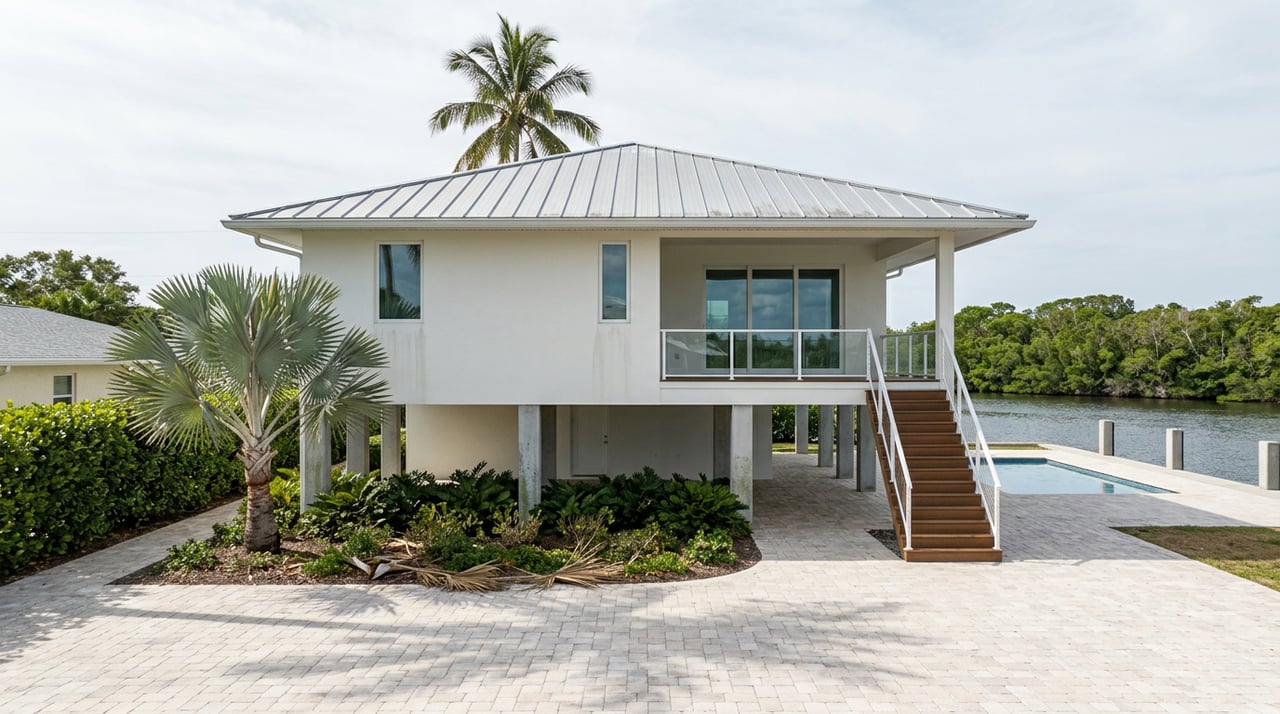
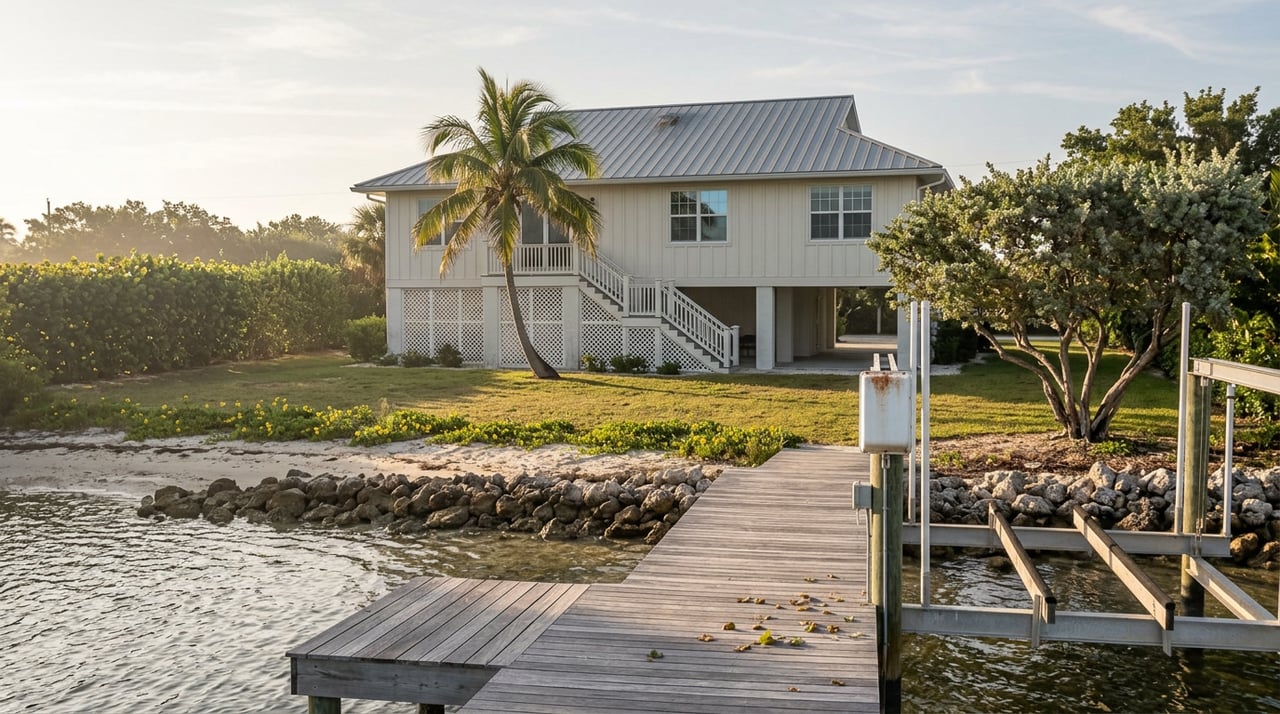
| Canal-front | Private seawall, dock, direct water from the property, protected slip | Ramp is a nice-to-have, not the reason to buy |
| Bayfront | Open water frontage, sunsets, deeper draft potential, larger lot dynamics | Least sensitive to the ramp; priced against Bay of America views |
The middle row is where sellers most often mis-price. A canal-front owner who leans on the "everyone here has bay access through the ramp" story is giving away the premium that their seawall and lift actually earn. A dry-lot buyer who assumes the ramp key erases the gap between an interior street and a canal address is going to be surprised at the survey and appraisal stage.
Zoom out and the county-level data lines up with this three-tier reality rather than against it.
The Keys median sale price in May 2026 landed at $965,000, up 12% year over year, while active inventory was essentially flat and pending sales climbed roughly 22% from a year earlier. Islamorada specifically posted a March 2026 median near $1.4 million, with days on market around 161 compared to 191 the year before. Keys year-to-date average sale price was running about 14% higher than the prior year as of late February 2026, on roughly 10% fewer transactions, meaning fewer but larger deals were clearing.
The interpretation matters more than the numbers. Across Plantation Key, July 2026 closings ranged from the high $600Ks for interior properties to $2.7 million for waterfront on quieter streets. In a market where the average deal is getting more expensive while transaction count softens, the properties clearing are the ones where the pricing story is clean and defensible. Indian Waterways sellers who can articulate exactly which tier they are pricing into, and why, will sit closer to the shorter DOM figure. Sellers who list a dry lot at a canal-front number, or a canal-front home at a bayfront number, are going to see the longer end of that 161-day figure.
The Indian Waterways premium over a comparable inland Plantation Key address is the capitalized value of a keyed ramp and a fishing pier, plus a one-mile route to Tavernier Cut. The Indian Waterways discount to a Venetian Shores canal-front is the difference between a fixed-bridge run and a drawbridge community with wider canals. Neither number is on the listing page.
For a buyer under contract or close to one, the friction here is small enough to miss and large enough to matter. A short diligence sequence prevents the surprises:
None of that is exotic. It is the difference between reading Indian Waterways as an address and reading it as a system.
Is the Indian Harbor Indian Waterways POA a mandatory HOA? No. Membership and donations are voluntary, and there is no mandatory assessment. The Association does charge for community park access keys, and only current homeowners in good standing may hold one. Renters get access through their homeowner rather than directly from the POA.
Can I keep my boat at the community dock instead of paying for private dockage? No. Community rules limit dock use at the shared park to 60 minutes and prohibit leaving a boat there overnight. Trailers cannot be parked overnight at the park either. The ramp is a launch amenity, not a substitute for a wet slip.
How does Indian Waterways compare to Venetian Shores for a serious boater? They optimize for different things. Venetian Shores is known for wide, deep canals and near-instant bay access, with ocean access via Snake Creek and its drawbridge. Indian Waterways trades that drawbridge dynamic for a fixed one-mile run to Tavernier Cut. The right answer depends on the boat's height, draft, and how often the owner runs offshore versus backcountry.
If you are weighing an offer inside Indian Waterways, or trying to price a home there against a bayfront on Lower Matecumbe or a canal-front in Venetian Shores, the answer sits in the details on your specific street and slip. Alina Davis has lived in the Keys since 1982 and works these Plantation Key subdivisions daily. Let's Connect for a candid read on where your property fits in the ladder, and what a 2026 buyer will actually pay for it.

Whether you're searching for your perfect Keys escape, investing in a vacation rental, or selling a slice of paradise you've loved for years, my goal is always the same: honest guidance, strong advocacy, and a seamless experience from start to finish. The Florida Keys isn't just real estate — it's a lifestyle, and I'm here to help you find your place in it. I would be honored to help you take that next step toward sun, water, and everything the Keys has to offer.